


22 Mar Why Small Spaces Make Better Homes
In historic Italian villages, houses were never designed for excess. They were designed for necessity, proximity, and climate. Built within dense urban fabrics and shaped by centuries of adaptation, these homes reflect a way of living where every square meter had a purpose and every space contributed to daily life.
Today, in a world that often equates value with size, revisiting small-scale living offers an alternative model — one based on proportion, function, and atmosphere. Rather than focusing on quantity of space, these homes encourage a greater appreciation of quality, character, and connection to place.
The Human Scale
In medieval centers, streets are narrow, distances are short, and houses reflect that same logic. Rooms are close to one another. Vertical circulation is compact. Outdoor and indoor life are intertwined.
Living in a smaller home often means:
– reduced wasted space
– simplified movement
– lower maintenance requirements
– closer relationships between activities and rooms
– a greater sense of intimacy and comfort
Architecture becomes an extension of daily rhythm rather than a container for accumulation.
A village residence does not exist in isolation. The public realm becomes part of the living experience. The piazza, the local café, the bakery, the church square and the network of streets effectively extend the home beyond its walls. Instead of private amenities replacing community life, the village itself provides opportunities for social interaction, daily encounters and a stronger connection with local traditions.
This way of living can feel surprisingly contemporary. As many people seek a slower pace, reduced consumption and more meaningful use of space, historic village houses offer lessons that remain remarkably relevant. Their compact layouts encourage intentional living, where rooms are used frequently and spaces serve multiple purposes throughout the day.
Natural materials also contribute to this sense of well-being. Thick stone walls help regulate temperature, small courtyards bring light and ventilation into the home, and traditional construction methods create interiors that feel both protective and welcoming. These qualities, developed long before modern technologies, continue to offer comfort and sustainability today.
Choosing a village residence is not simply a decision about square footage. It is a choice about lifestyle, priorities and daily experience. It means embracing a scale of living that places value on authenticity, walkability, community and the simple pleasure of inhabiting spaces that have evolved over generations.
Designing Instead of Filling
In larger homes, furniture often compensates for empty space. In smaller homes, architecture must take responsibility. Walls become:
– niches
– seating
– integrated storage
– shelving systems
Partitions are not merely separators, but multifunctional elements. This approach requires precision and intentionality. Every detail must be designed, not added later.


Material as Spatial Amplifier
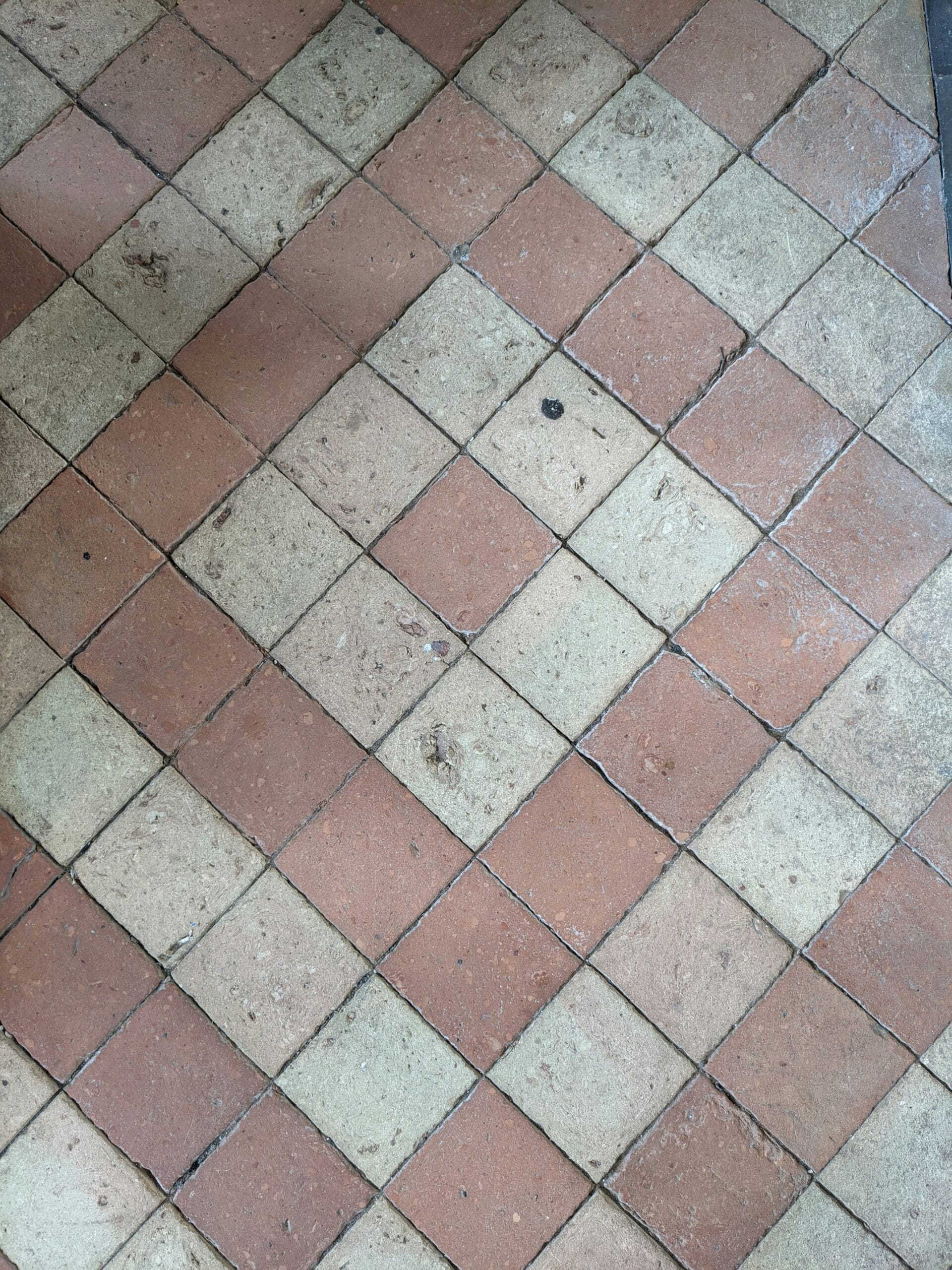
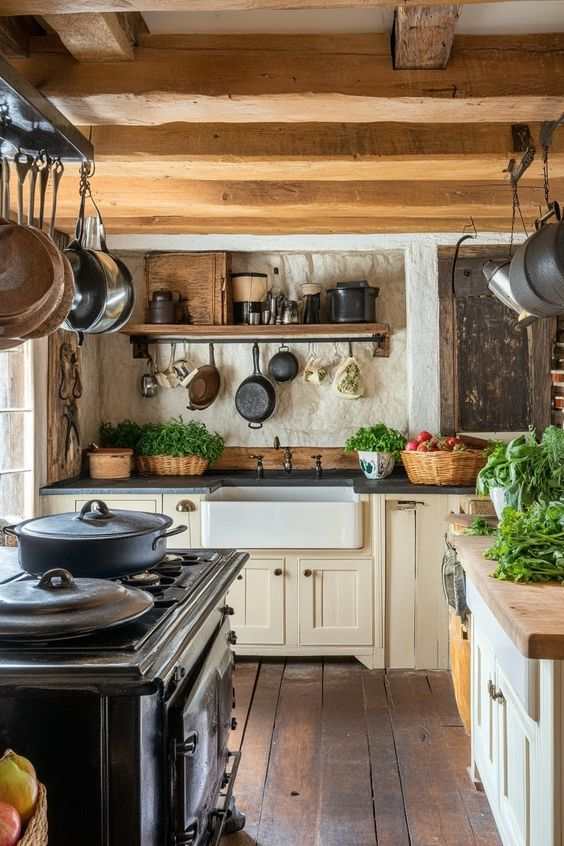
When space is limited, materials carry more visual and tactile weight. Handmade terracotta reflects warm light differently from industrial tiles. Clay plaster absorbs and releases humidity, creating subtle texture variations. Exposed beams introduce depth and memory. Light interacts more intensely with textured surfaces, creating shadows that animate the room. Small spaces magnify material presence.
Reinterpreting Tradition
A compact house creates spatial continuity. The fireplace can be enjoyed from multiple areas. The kitchen remains connected to the living space. The bedroom may be separated by a functional system rather than a heavy wall. Instead of fragmentation, small homes encourage fluidity. There is less distance between actions — and often, more coherence.
A Conscious Choice
Choosing to live in a small historic property is not a compromise. It is a deliberate decision to prioritize:
– atmosphere over surface area;
– proportion over scale;
– quality over quantity.
When thoughtfully designed, a small home can feel expansive, not because it is large, but because it is coherent. And coherence is a form of luxury.
If you’d like to explore how to transform a compact historic property into a functional and character-filled home, feel free to contact us. At Dwell Stories, we believe that architecture is not only about size — it’s about proportion.


Sorry, the comment form is closed at this time.