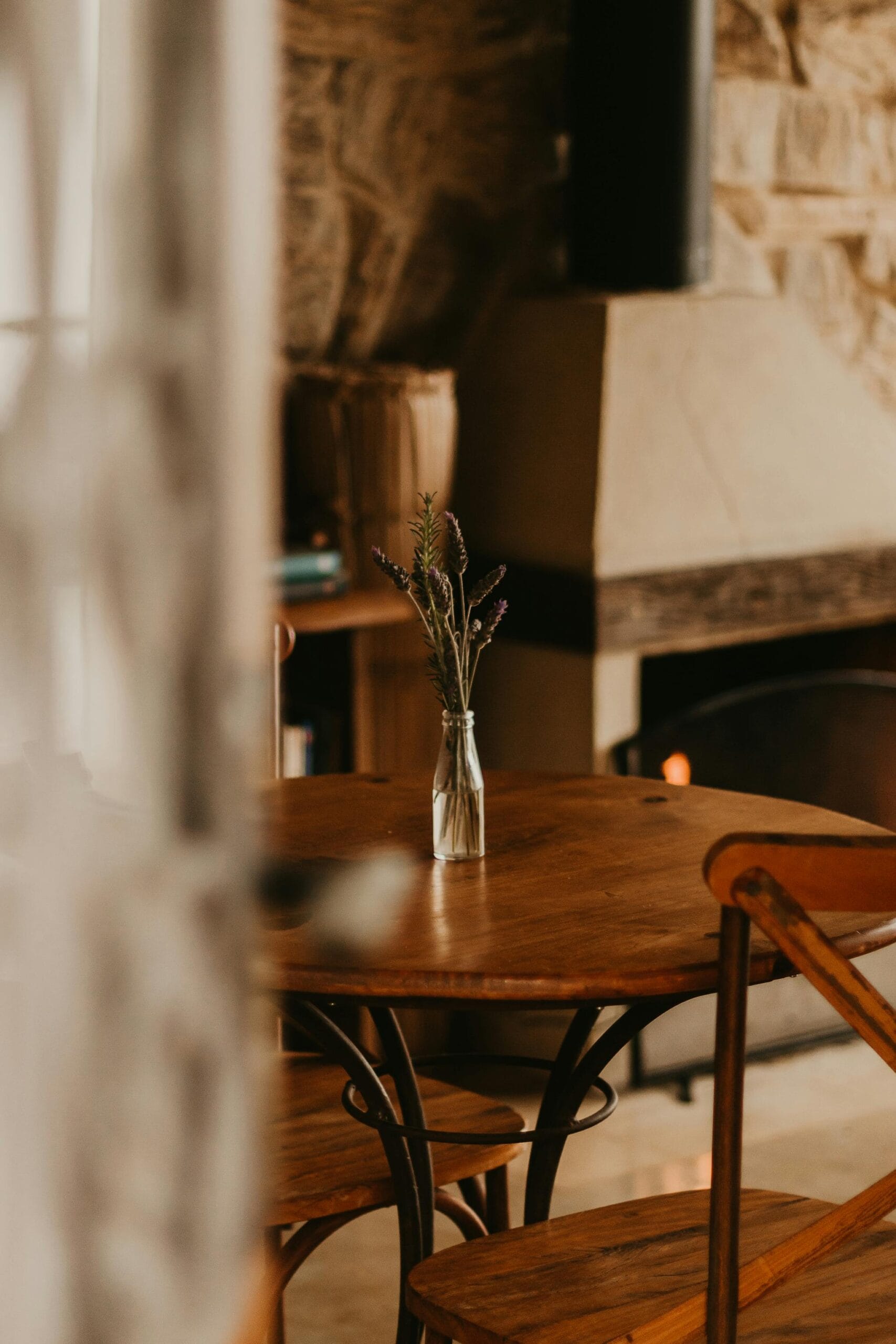
Ours is a land in between, placed halfway between Rome and Naples, yet immersed in a landscape that still feels wild. Southern Lazio is a place where sea meets mountains, where myths and legends linger, and where authentic stories and honest flavors define the territory.
/
This is a place to be understood slowly: through hilltop villages, cultivated fields, weathered stone and the enduring gestures of rural life..
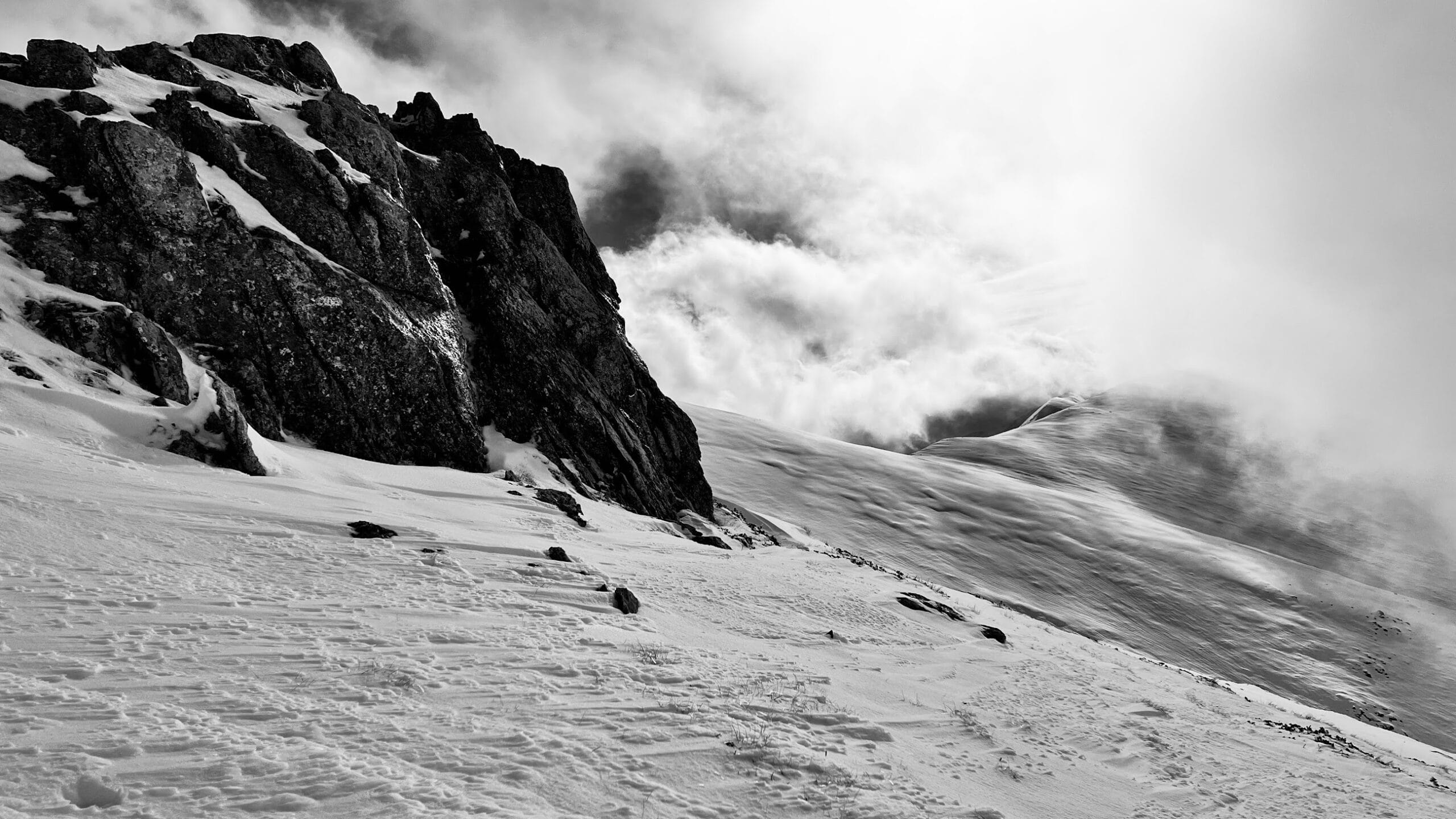
Landscapes, villages and rural architecture
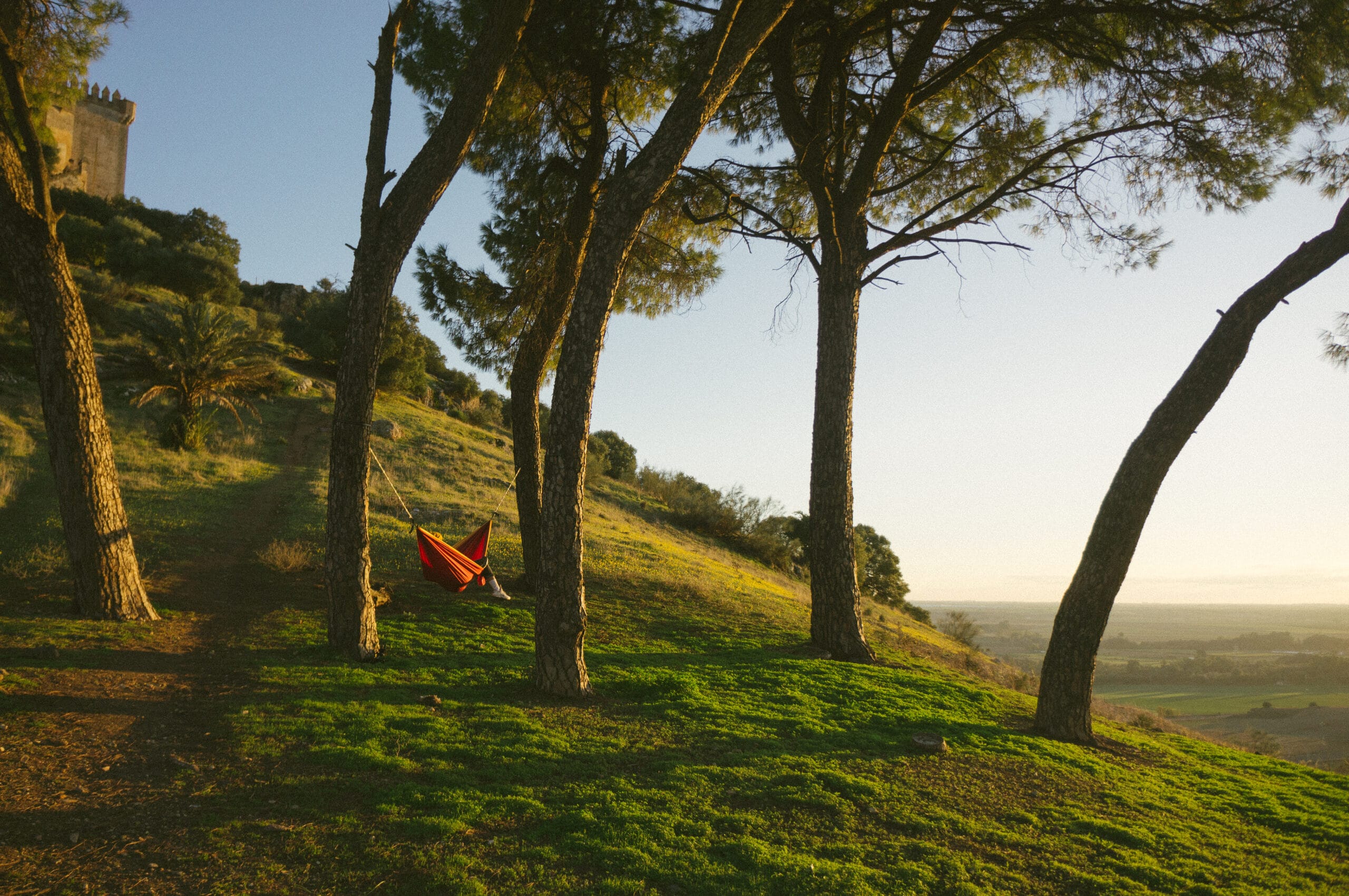
Between the hills of Ciociaria and the wide plain of the Agro Pontino lies a landscape where the rhythm of the Italian countryside still shapes everyday life. Here the territory reveals itself through stone villages perched along ridges, cultivated fields, ancient olive groves and quiet roads that wind through valleys and farmland.
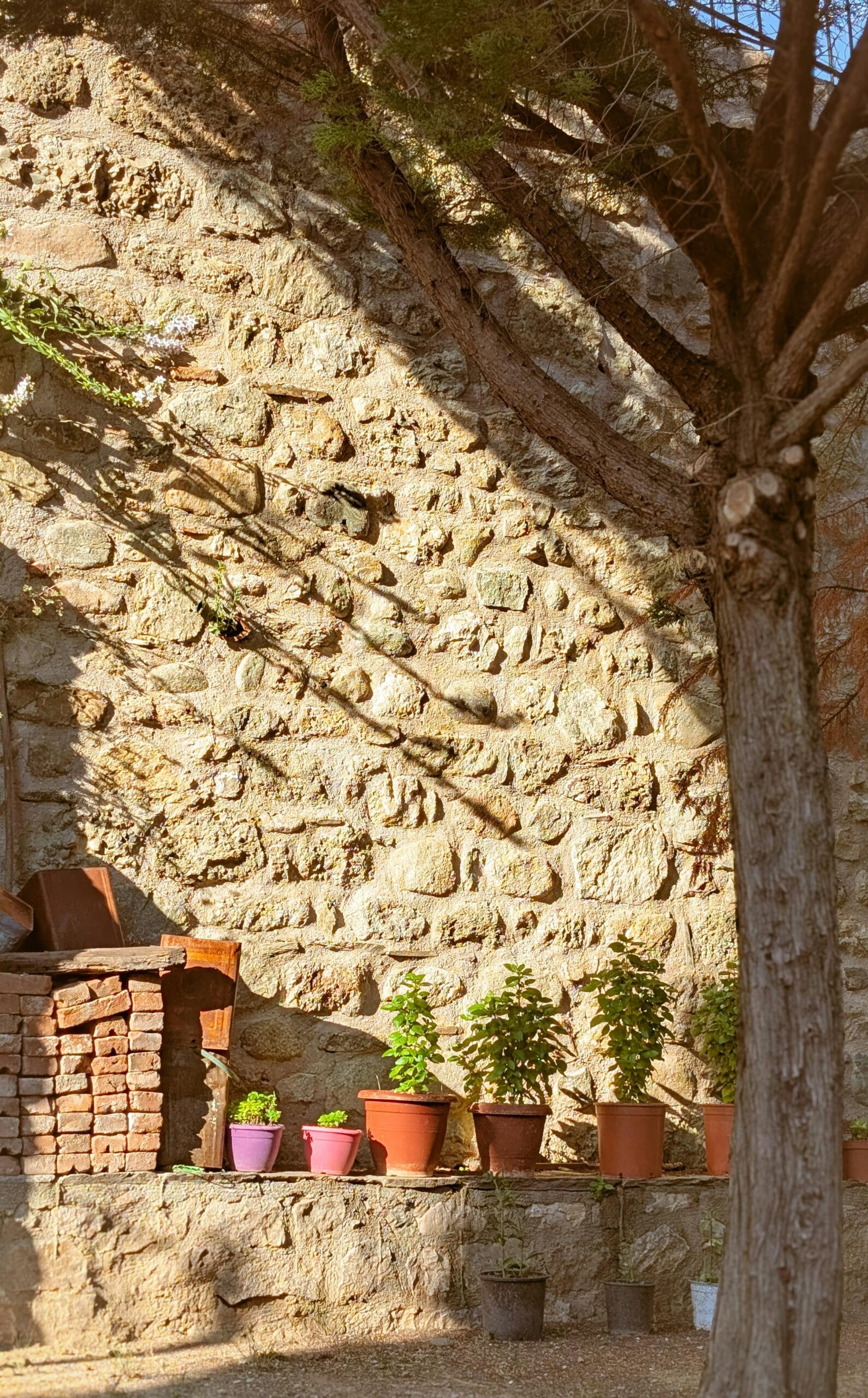
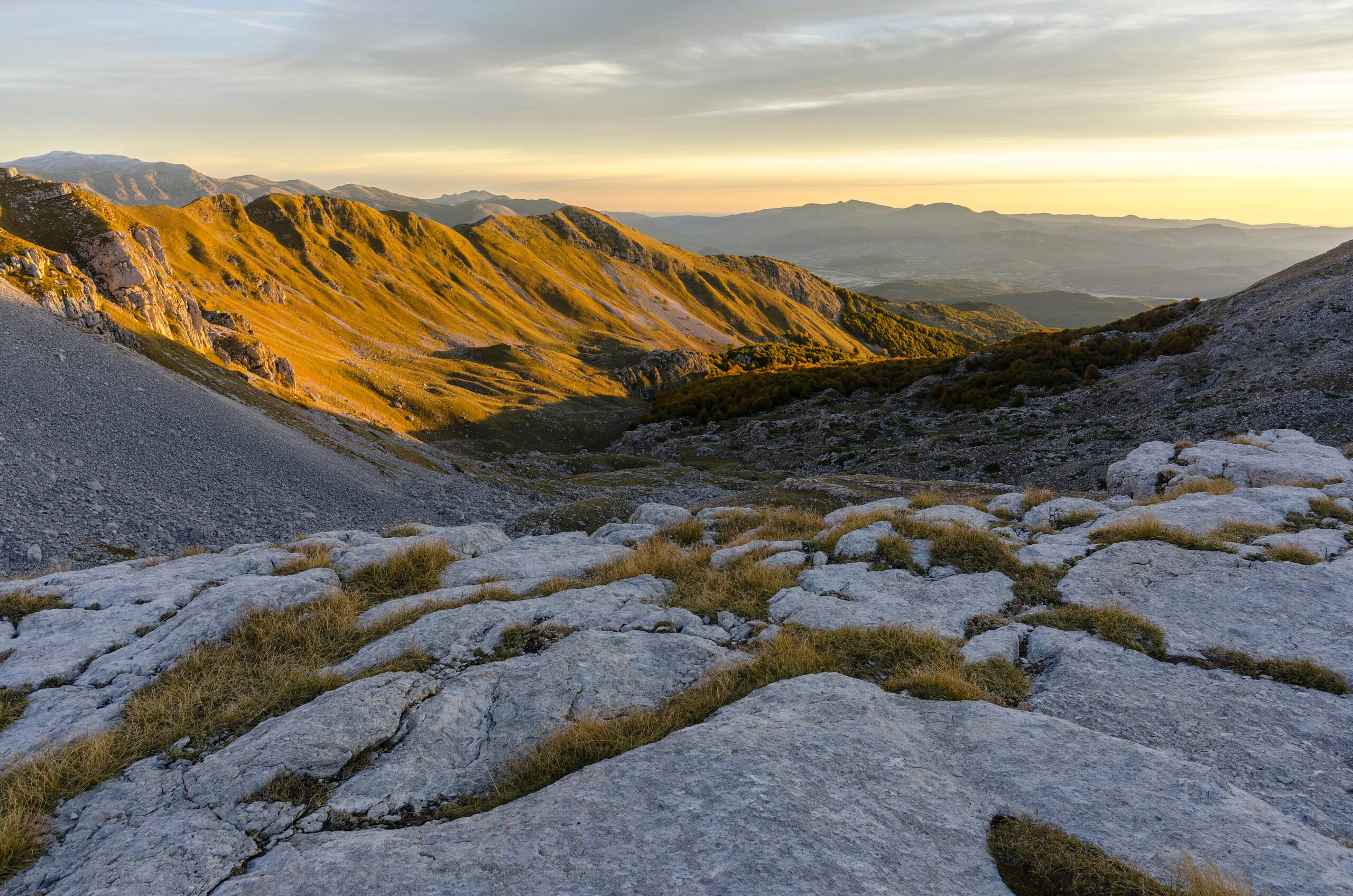
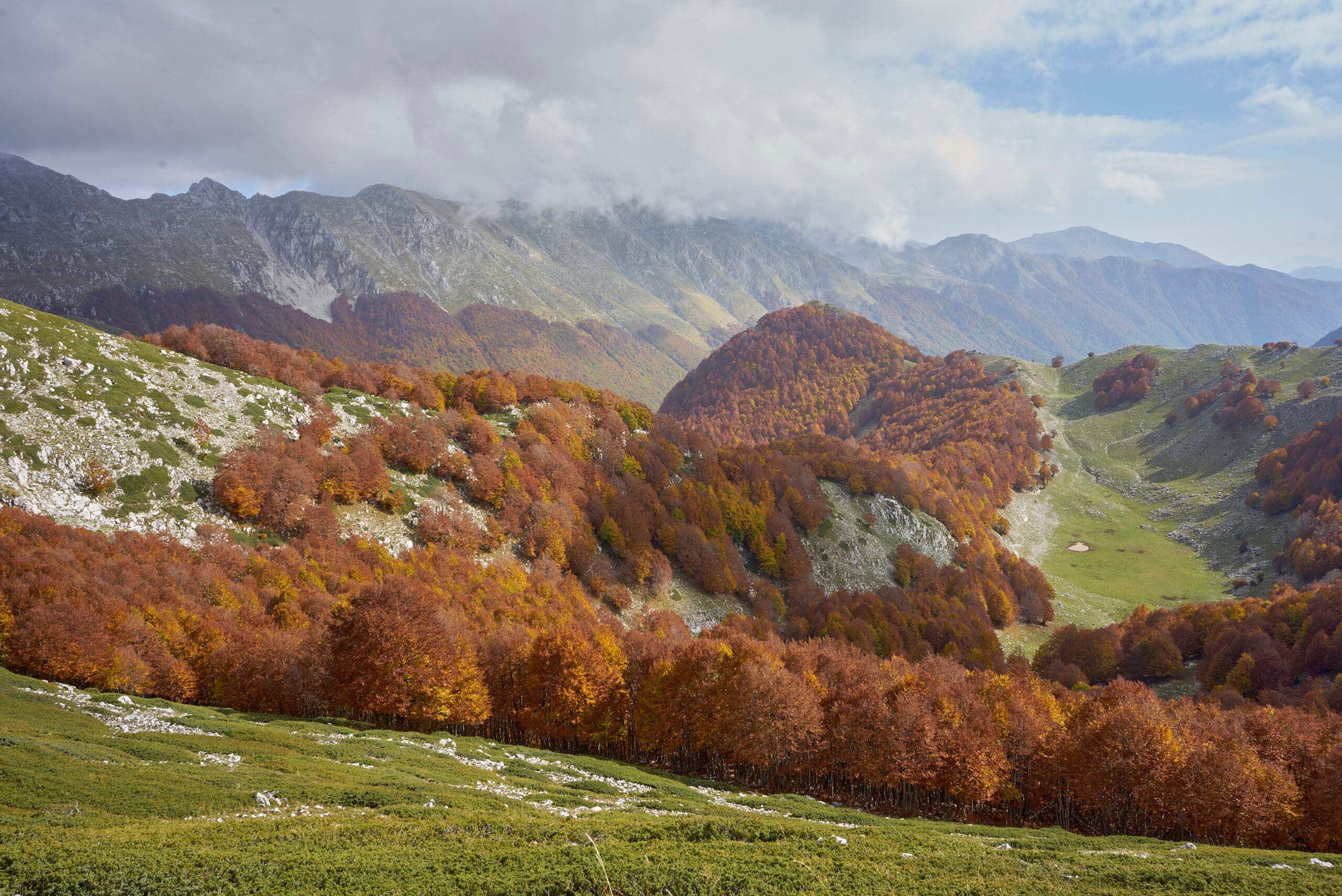
Ciociaria is a land of gentle hills and limestone mountains, where medieval villages rise from the landscape like small stone fortresses. Around these historic centers stretch vineyards, olive groves and cultivated fields that have shaped the countryside for centuries. Rural architecture — farmsteads, country houses and small agricultural settlements — grew naturally from this close relationship with the land.
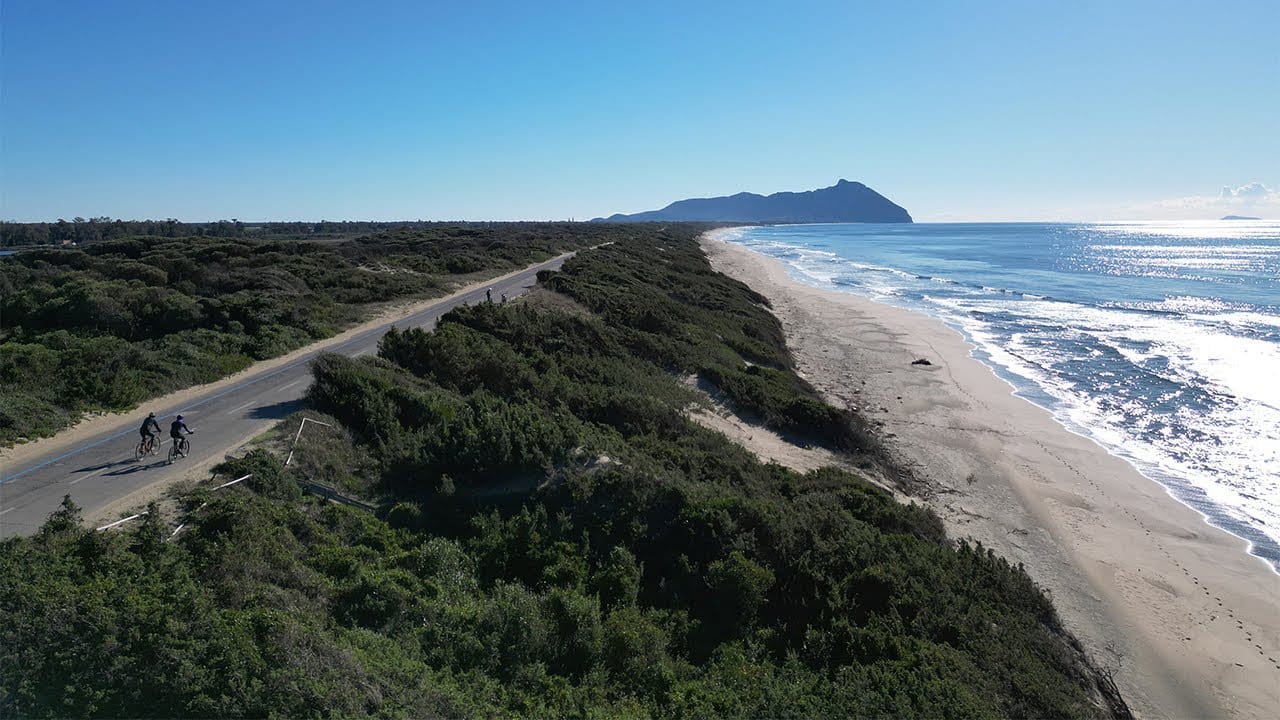
Further west the landscape opens into the Agro Pontino, a vast and ordered plain crossed by canals and long rows of trees, where the light of the Tyrrhenian Sea meets the geometry of farmland. Here the countryside extends toward the coast, between cultivated fields, coastal dunes and protected natural reserves.
It is a territory where landscapes constantly change, yet always share the same atmosphere: a countryside of stone, earth and seasons.
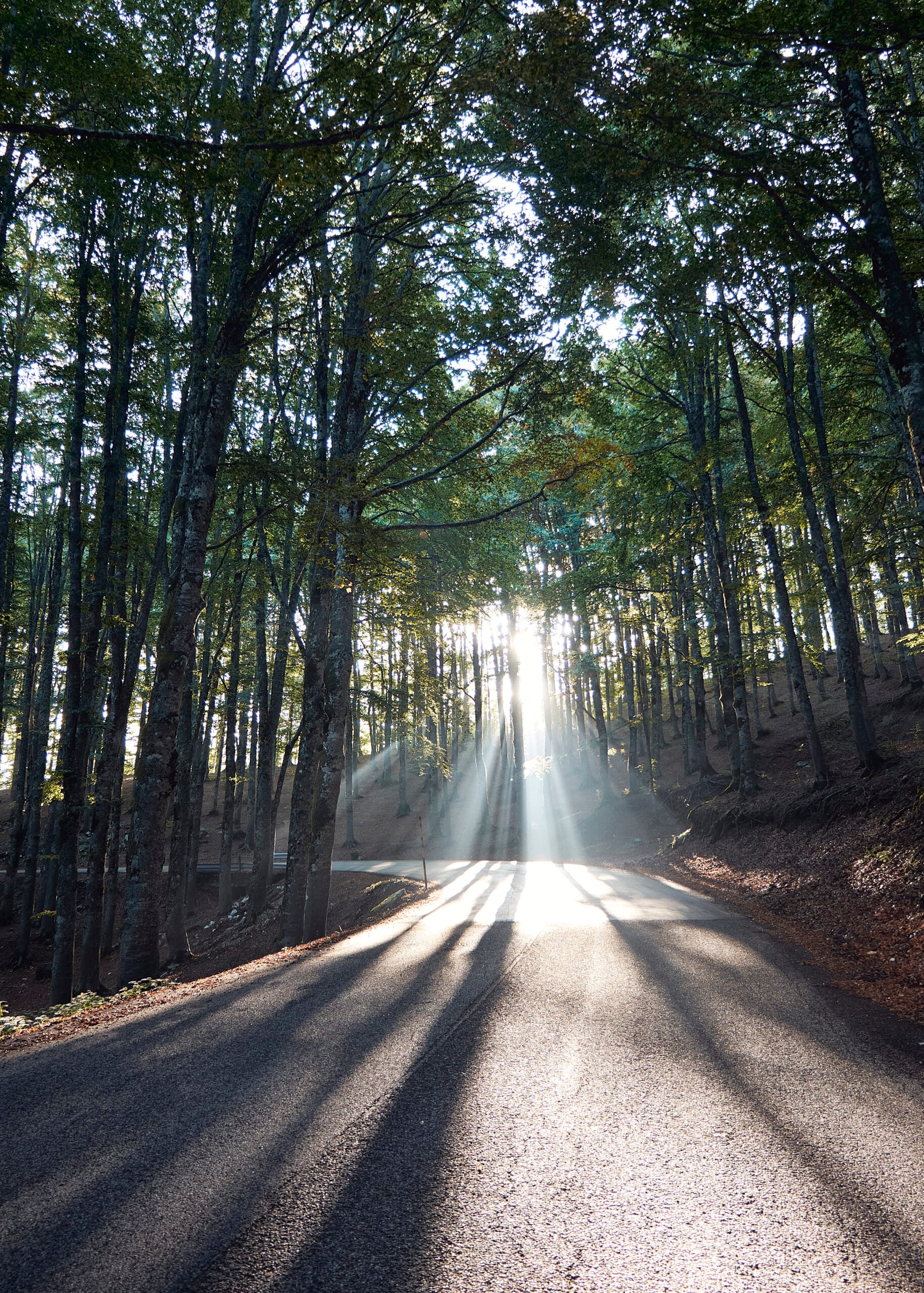
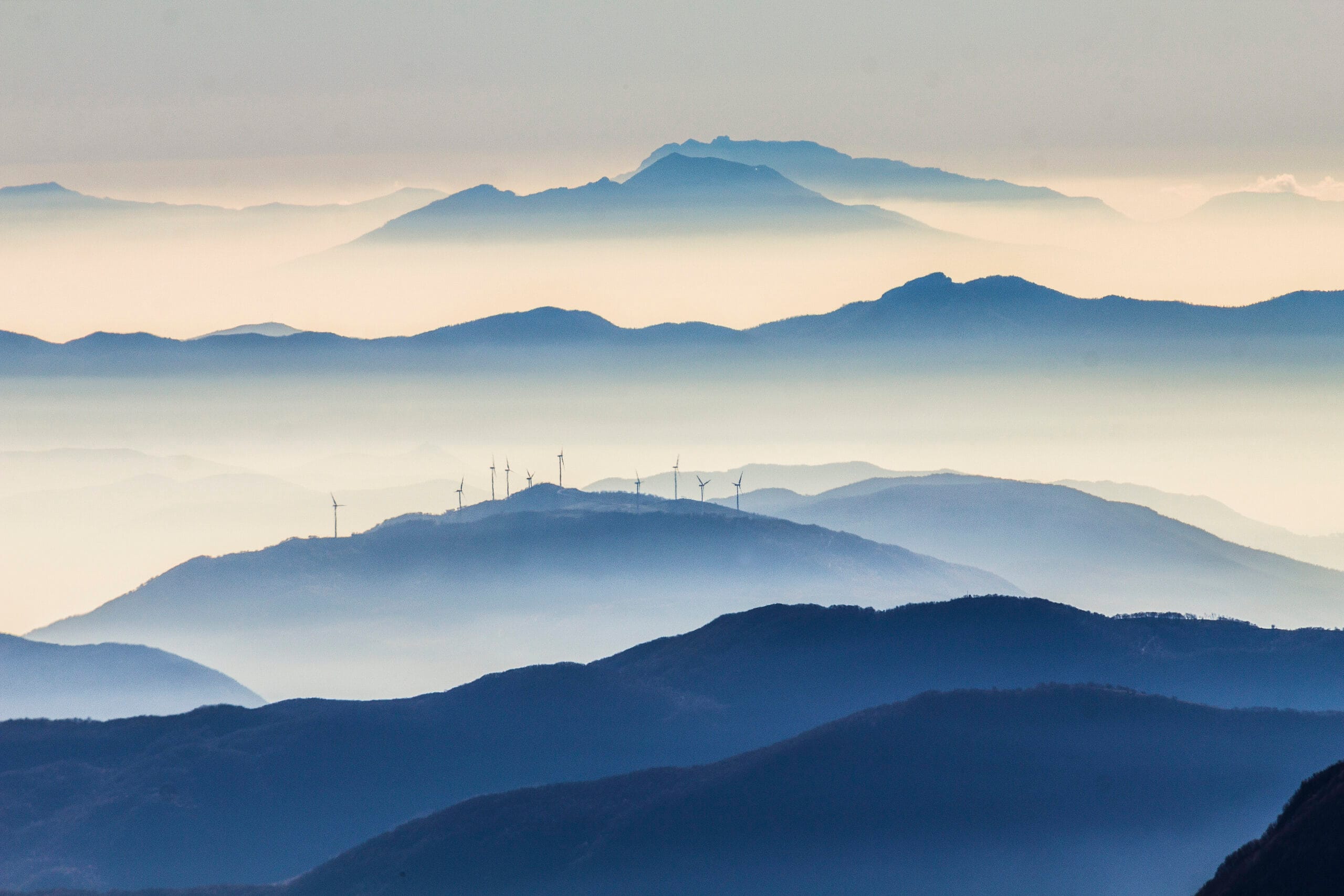
A landscape shaped by time
In this region, history is not simply remembered — it is embedded in the landscape itself.
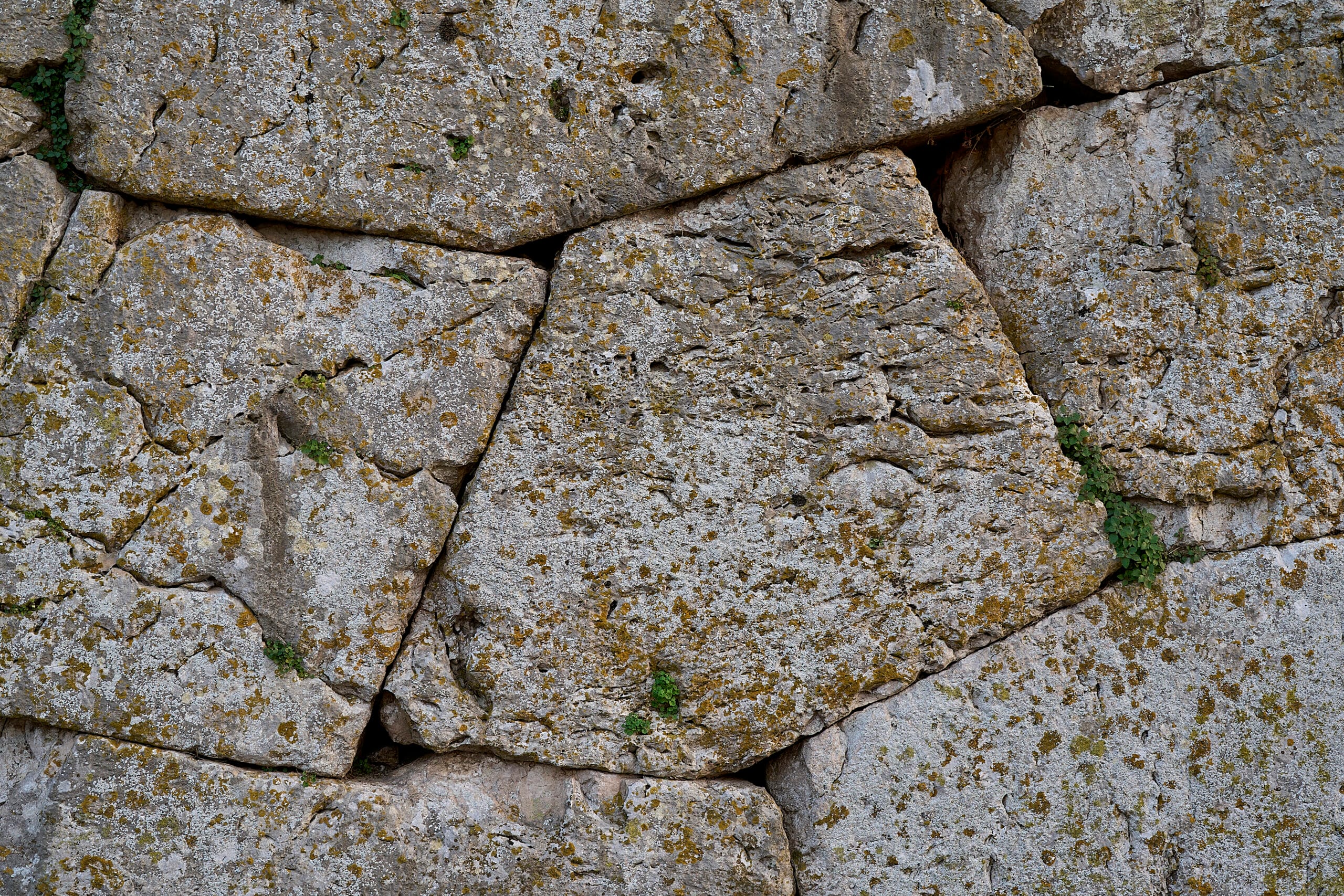
Long before the arrival of the Romans, Italic communities settled among these hills, leaving traces of roads, settlements and agricultural systems that still influence the organization of the territory. During the Middle Ages, fortified villages began to rise along hilltops and strategic routes, protecting the rural communities that lived from the surrounding land.
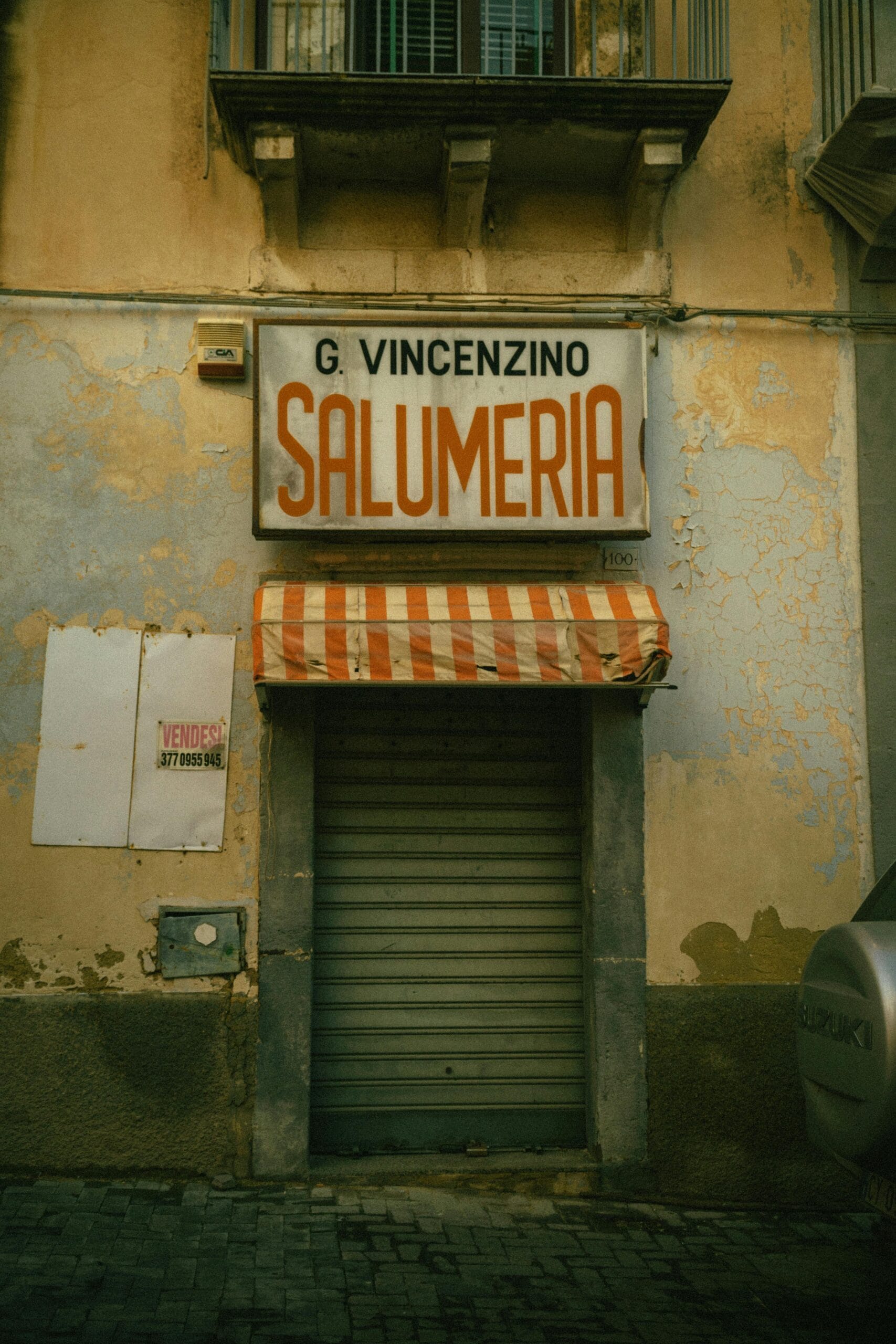
Walking through these historic towns means moving through centuries of everyday life: stone arches, narrow streets and worn stairways shaped by generations of footsteps. Each building tells a story of agricultural life, seasonal rhythms and the deep connection between people and the land.
The Agro Pontino tells a more recent story. Once a vast marshland, it was reclaimed during the twentieth century and transformed into fertile farmland through an ambitious landscape project. New towns, canals and agricultural estates reshaped the plain, creating a unique balance between nature and human design.
Today these different layers of history coexist, forming a cultural landscape where past and present continue to speak to one another.
Traditions, seasons and everyday life
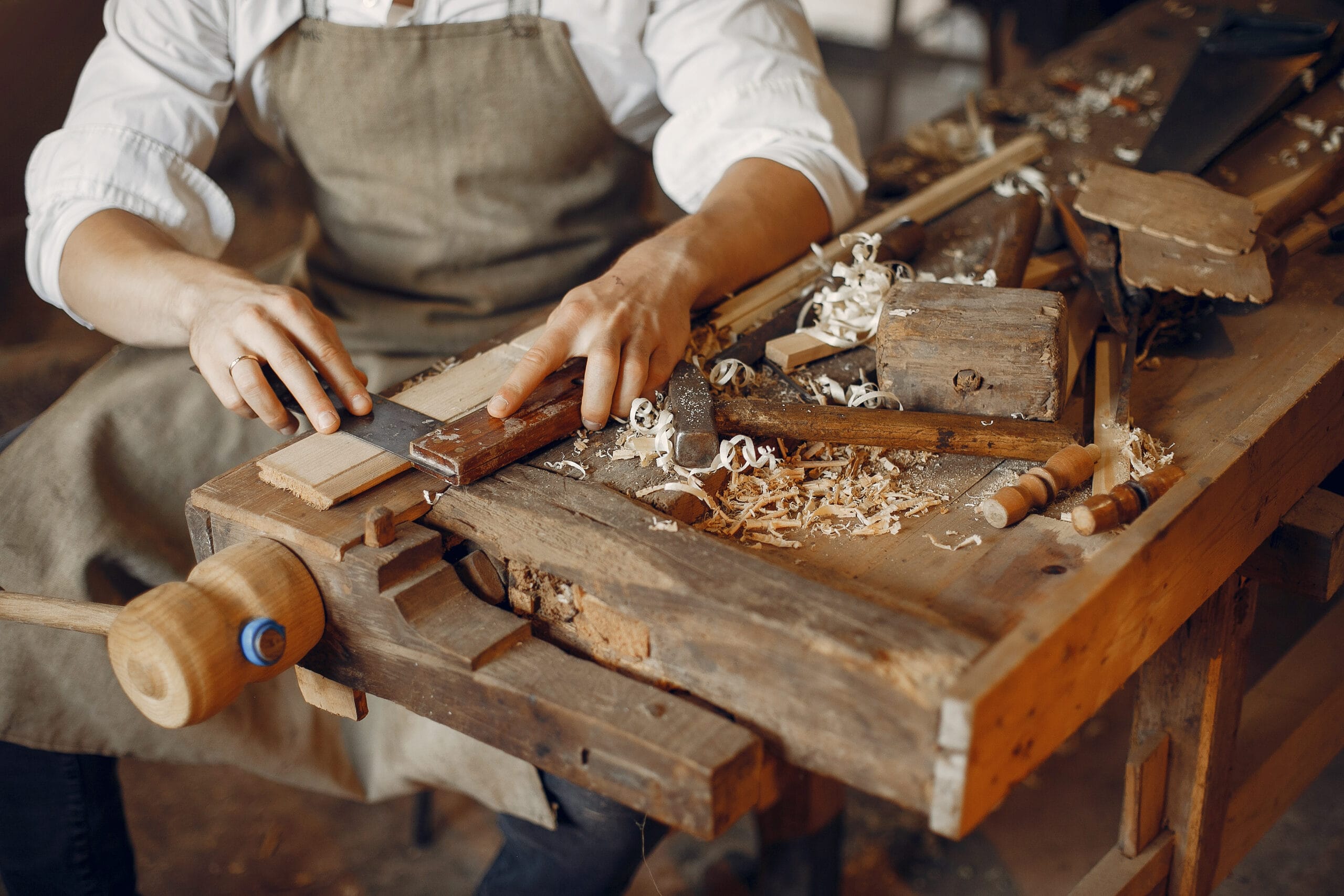
Life in Ciociaria and the Agro Pontino still carries many gestures of an older way of living. The passing of the seasons shapes agricultural work, village markets and the local festivals that bring life to small squares and narrow streets.
The local cuisine grows directly from this rural heritage: fragrant olive oil, wines from the surrounding hills, farmhouse cheeses and recipes handed down through generations. Around the table families, neighbors and visitors gather in a culture of hospitality that remains deeply rooted in these lands.
Village festivals, weekly markets, grape harvests and olive picking seasons all reveal a way of life still connected to the rhythms of the countryside.
For those who choose to live here, Southern Lazio offers a rare opportunity to experience a more authentic side of Italy. Historic village houses, rural farmhouses and homes surrounded by nature can still be found throughout the region, each carrying its own story and potential.
Restoring a home is more than simply finding a place to stay. It is a way of slowly becoming part of a landscape shaped by memory, work and tradition.
Bringing new life to a stone house, a rural farmhouse or a dwelling within a historic village becomes an opportunity to reconnect with a timeless dimension of the Italian countryside.