


26 Mag Southern Lazio: Between Cyclopean Walls and the Tyrrhenian Coast
A land of medieval villages, mountain landscapes, olive groves, and ancient stone houses — where history is not preserved behind museum glass, but woven into everyday life. This is Southern Lazio, between Rome and Naples, in the provinces of Frosinone and Latina. Rich in architectural heritage, still accessible compared to more famous destinations, and deeply connected to its landscape and traditions.
But to understand these villages, you first need to look much further back in time.
The Legacy of the Cyclopean Walls
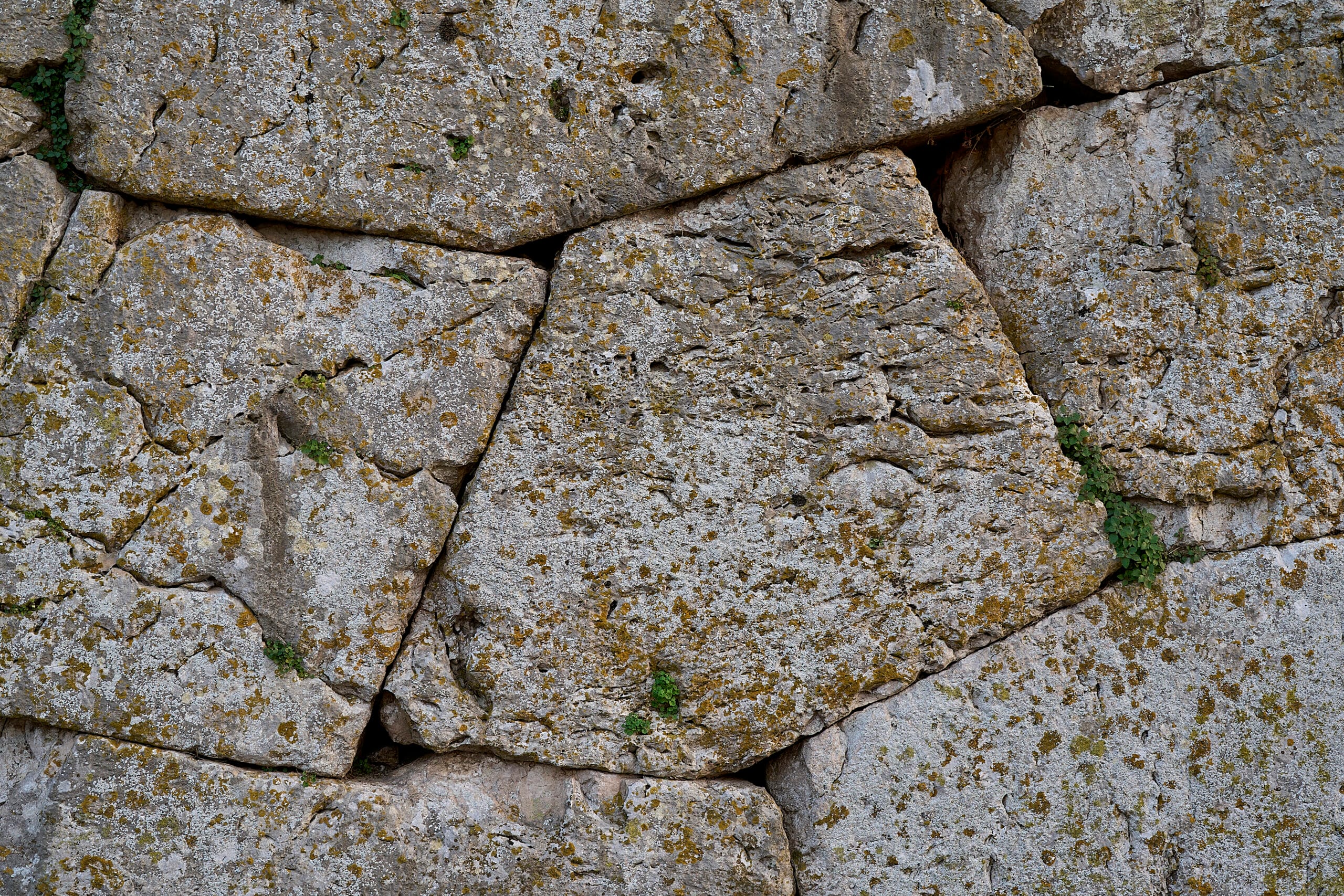
Across many hill towns in Southern Lazio, visitors encounter something extraordinary: enormous polygonal stone walls, built thousands of years ago with massive limestone blocks perfectly fitted together without mortar.
Known today as Cyclopean Walls, these ancient mysterious structures predate Roman civilization and remain one of the most fascinating architectural legacies of Central Italy.
Their name comes from the ancient belief that only the Cyclopes — the mythical giants of Greek mythology — could have moved and assembled stones of such extraordinary size.
Towns such as Alatri, Ferentino, Arpino, Atina, and Veroli still preserve impressive portions of these walls, which continue to define the identity and urban structure of the historic centers.
Walking through these villages today means moving through layers of history spanning more than two millennia. Narrow stone alleys, arches, stairways, and medieval houses developed around these ancient fortifications, creating urban landscapes that remain remarkably intact.
And it is precisely around these walls that many of the region’s most charming homes evolved over the centuries. Noble residences, medieval dwellings, artisan houses, and small stone homes grew within the protected village walls, creating dense and layered historic centers filled with courtyards, panoramic terraces, and architectural details that still reflect the identity of rural Southern Lazio.
Living in one of these villages today means becoming part of a place shaped over thousands of years.
The Rural Landscape Beyond the Walls
Outside the historic centers, the landscape changes completely. Beyond the villages, Southern Lazio opens into rolling countryside, olive groves, forests, mountain valleys, and agricultural land where rural architecture developed in close relationship with the land itself.
This is where traditional casali and stone farmhouses can still be found — often surrounded by centuries-old olive trees, vineyards, and breathtaking natural scenery.
These rural properties were historically connected to farming life and local agricultural traditions. Many retain original materials and architectural features: stone façades, wood-beamed ceilings, fireplaces, exterior staircases, and small agricultural annexes.
The agricultural identity of this territory remains deeply alive today. Southern Lazio is home to important wine-producing areas, including the renowned Cesanese del Piglio DOCG, one of Lazio’s most distinctive red wines, produced among the hills surrounding medieval villages and ancient agricultural estates. Further north-east, around the Valle di Comino and Atina area, vineyards produce the celebrated Atina Cabernet DOC, a unique expression of Cabernet cultivated within a mountain landscape shaped by strong climatic contrasts and centuries-old agricultural traditions.
Olive oil production also continues to shape much of the territory, with ancient olive groves defining large portions of the rural landscape.
For many international buyers, this connection between architecture, landscape, and food culture is precisely what makes the region so compelling.
“Here, homes are not isolated objects disconnected from their surroundings. They remain part of a broader environmental and cultural system that still preserves a strong sense of place.”
Stone, Water, and Landscape: The Many Layers of Southern Lazio
One of the most fascinating aspects of Southern Lazio is the extraordinary diversity of its landscape and cultural identity.
Within a relatively short distance, the territory shifts continuously: mountain villages, agricultural plains, forests, medieval hill towns, vineyards, monasteries, and coastal environments coexist within the same region, creating a layered landscape that still feels deeply connected to its history.
Moving westward from the inland valleys and historic stone villages, the geography gradually opens toward the province of Latina and the vast plains of the Agro Pontino — one of the most significant land reclamation projects in modern Italian history.
Until the early twentieth century, much of this area consisted of marshland and wetlands. During the 1930s, an extensive reclamation process radically transformed the territory, generating new agricultural land, canals, infrastructures, and rural settlements that still define the landscape today.
The contrast with the medieval hill towns of the inland areas is striking.
Here, the space becomes wider and more horizontal: geometric agricultural fields, long roads lined with eucalyptus trees, irrigation canals, and rationalist architecture coexist with productive farmland and open skies.
This coexistence between ancient fortified villages and reclaimed plains is one of the defining characteristics of Southern Lazio. Within less than two hours, it is possible to move from the Cyclopean walls of Alatri or Ferentino to the agricultural landscapes of the Pontine plain, passing through vineyards, olive groves, forests, and mountain territories that still preserve traces of centuries-old rural life.
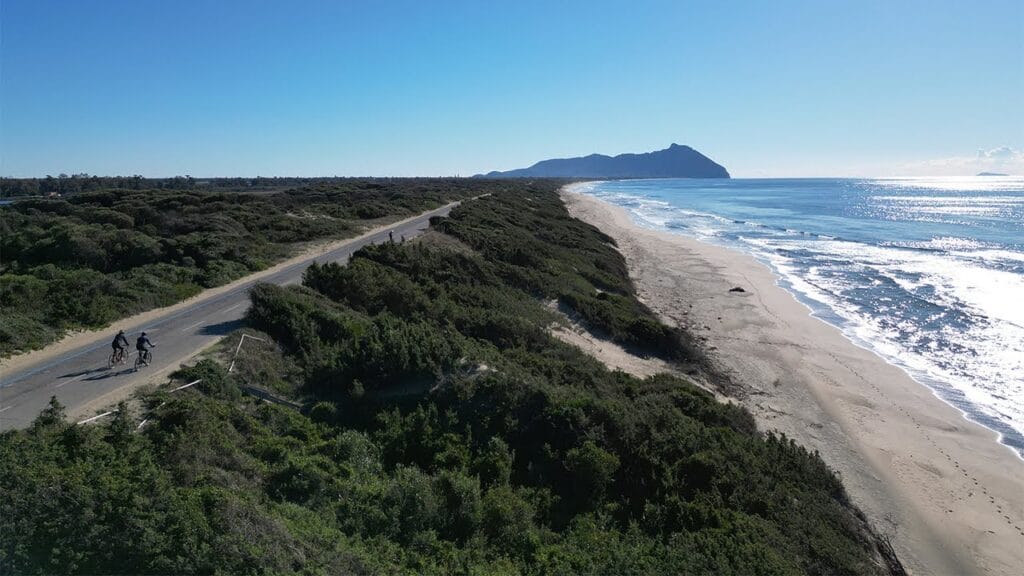
Further south-west, the landscape opens once again toward the Tyrrhenian coast and the Circeo area, where dunes, Mediterranean vegetation, lakes, and seaside towns create yet another layer of identity.
This relationship between mountains, plains, and coast has historically shaped the architecture of the region.
“ … stone villages developed defensively on elevated terrain, while rural farmhouses and casali emerged across agricultural land closely tied to farming traditions and seasonal cycles. Many of these rural structures still preserve original materials and construction techniques deeply connected to the local landscape: limestone walls, terracotta roofs, chestnut wood beams, lime-based plasters, and dry-stone boundaries. The agricultural identity of the region remains strongly present today.”
Why Local Knowledge Matters: Understanding the Complexity of Historic Properties

However, purchasing and restoring historic or rural properties in Italy requires much more than simply falling in love with a beautiful building. Southern Lazio is a territory deeply connected to its historical and environmental heritage, and many areas are subject to architectural, landscape, archaeological, or environmental protections.
Historic centers may include restrictions related to preservation rules, façades, structural modifications, or materials. Rural properties may involve agricultural regulations, landscape constraints, cadastral inconsistencies, or urban planning issues that are not always immediately visible to foreign buyers.
This is why understanding a property’s urban planning status, cadastral conformity, and legal framework before purchasing is absolutely essential.
“… we believe that discovering a property should always begin with understanding the territory around it: its history, regulations, architectural identity, and long-term potential. Is not simply about help clients find a house, but to guide them through the complexity of the Italian context — combining local knowledge, architectural expertise, and independent support throughout the process.”
Because in Southern Lazio, architecture cannot be separated from landscape, history, and the long continuity of rural life that still defines this part of Italy today.
If you are considering a property in Southern Lazio and would like expert guidance, we would be pleased to help you explore the opportunities and challenges behind your project.
Learn more or get in touch with us.


Sorry, the comment form is closed at this time.